Proper Grading Techniques: Prevent Water Damage and Protect Your Property with Expert Concrete Solutions
March 26, 2026
Proper grading around a property is one of the most critical yet often overlooked aspects of property maintenance. The way land is contoured and sloped directly affects how water moves around a property, influencing everything from landscaping health to the structural integrity of buildings. Without proper grading, rainwater can accumulate near foundations, causing seepage, erosion, and even long-term structural damage. Understanding and implementing effective grading techniques is essential for both homeowners and property managers who want to safeguard their investments and maintain safe, functional outdoor spaces.
Concrete solutions play a central role in proper grading, serving not only as durable surfaces for walkways, driveways, and patios but also as key elements in water management. By strategically integrating concrete features with grading plans, water can be efficiently directed away from vulnerable areas, preventing pooling, flooding, and soil destabilization. The expertise involved in creating these solutions requires careful planning, knowledge of soil behavior, and precision in execution. This blog explores essential grading techniques, actionable strategies, and expert advice for using concrete to enhance property protection, ensuring your landscape remains safe, functional, and resilient against water-related damage.
Understanding the Basics of Property Grading
- What Is Grading :- Grading is the process of shaping the land around a property to ensure water flows away from structures rather than toward them. It involves altering the slope and contour of the ground to create a controlled drainage pattern. Proper grading is crucial in preventing water accumulation that can damage foundations, driveways, and landscaping features.
- The Importance of Slope :- The key principle in grading is creating a slope that directs water efficiently. A standard guideline is a minimum slope of 2% away from the building’s foundation, which equates to approximately a quarter-inch drop per foot. This seemingly small adjustment can significantly reduce water infiltration and related problems. Improper slopes, such as flat or inward-sloping areas, often result in water pooling, which can lead to foundation cracks, basement flooding, and soil erosion.
- Soil Composition Considerations:-
Different soil types respond differently to grading. Clay-heavy soils, for instance, are prone to retaining water and may require steeper slopes or additional drainage solutions. Sandy soils, on the other hand, drain quickly but may shift over time, necessitating stabilization methods. Understanding soil composition ensures grading strategies are effective long-term, reducing maintenance and avoiding future costly repairs.
Common Water Damage Risks and How Grading Helps
Foundation Damage
Water pooling near a foundation exerts hydrostatic pressure on walls and basements, potentially causing cracks and structural weakening. Proper grading ensures water is directed away, reducing this pressure and preventing structural compromise.
Erosion and Landscaping Issues
Without controlled slopes, heavy rainfall can wash away topsoil, exposing plant roots and destabilizing landscaping. Graded surfaces combined with concrete barriers, swales, or retaining walls can manage runoff, protecting gardens, lawns, and outdoor structures.
Pavement and Driveway Deterioration
Improperly sloped driveways or concrete pads can retain water, leading to premature cracking, pitting, or spalling. Correct grading promotes water shedding, preserving the lifespan and appearance of concrete surfaces.
Mold and Indoor Moisture Problems
Water that accumulates near a home can seep into basements and crawl spaces, increasing humidity and promoting mold growth. Effective grading reduces the risk of moisture intrusion, protecting indoor air quality and preventing health hazards.
Concrete Solutions for Effective Grading
- Sloped Concrete Surfaces
Sloping concrete surfaces are an essential component of grading solutions. Driveways, patios, and walkways should be poured with a subtle gradient to guide water away from the home. Professionals calculate the exact slope required to maintain drainage while ensuring safety and usability for foot traffic and vehicles.
- Incorporating Swales and Channels
Concrete swales are shallow channels that guide water from one area to another. They are particularly useful in areas where natural slopes are insufficient or where water runoff needs precise direction. Properly designed swales prevent pooling, reduce erosion, and integrate seamlessly into residential or commercial landscapes.
- Retaining Walls and Terracing
In properties with significant elevation changes, retaining walls combined with concrete terracing can stabilize slopes and manage runoff. These structures prevent soil movement while providing a controlled path for water, reducing both erosion and potential structural damage.
- Permeable Concrete Options
Permeable or porous concrete allows water to pass through the surface, reducing surface runoff while promoting groundwater recharge. This approach is particularly effective in urban areas with limited natural drainage and offers environmental benefits by minimizing stormwater pollution.
Best Practices for Proper Grading
Assessing Property Topography
Start by surveying the property to identify natural slopes, low-lying areas, and drainage paths. Understanding the terrain allows contractors to design grading solutions that work with, rather than against, existing land features.
Using Proper Tools and Equipment
Precision tools such as laser levels, string lines, and grading rakes ensure accurate slopes during excavation and concrete pouring. Professional-grade equipment guarantees that grading adheres to specifications, avoiding costly corrections later.
Integrating Drainage Solutions
Proper grading often involves combining concrete surfaces with drainage systems such as French drains, catch basins, or underground piping. Integrating these solutions ensures that water is efficiently carried away, even during heavy rainfall.
Monitoring and Maintenance
Grading is not a one-time task. Over time, soil can settle, and slopes may shift. Regular inspection and maintenance, including regrading or adding drainage features, ensure continued effectiveness. Maintenance of concrete surfaces—such as sealing and repairing cracks—also preserves their water management function.
Real-World Applications and Case Examples
- Residential Driveways and Patios
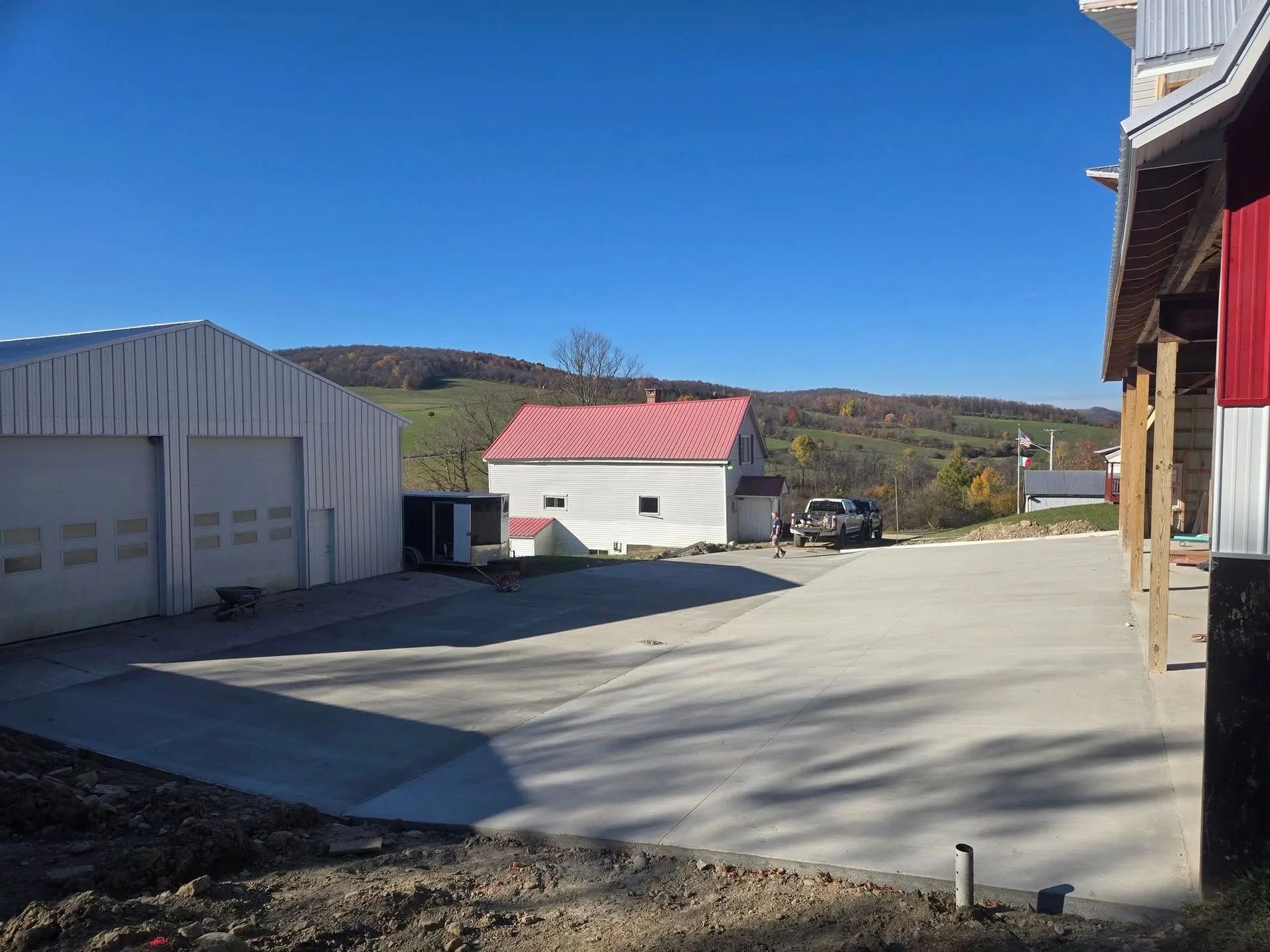
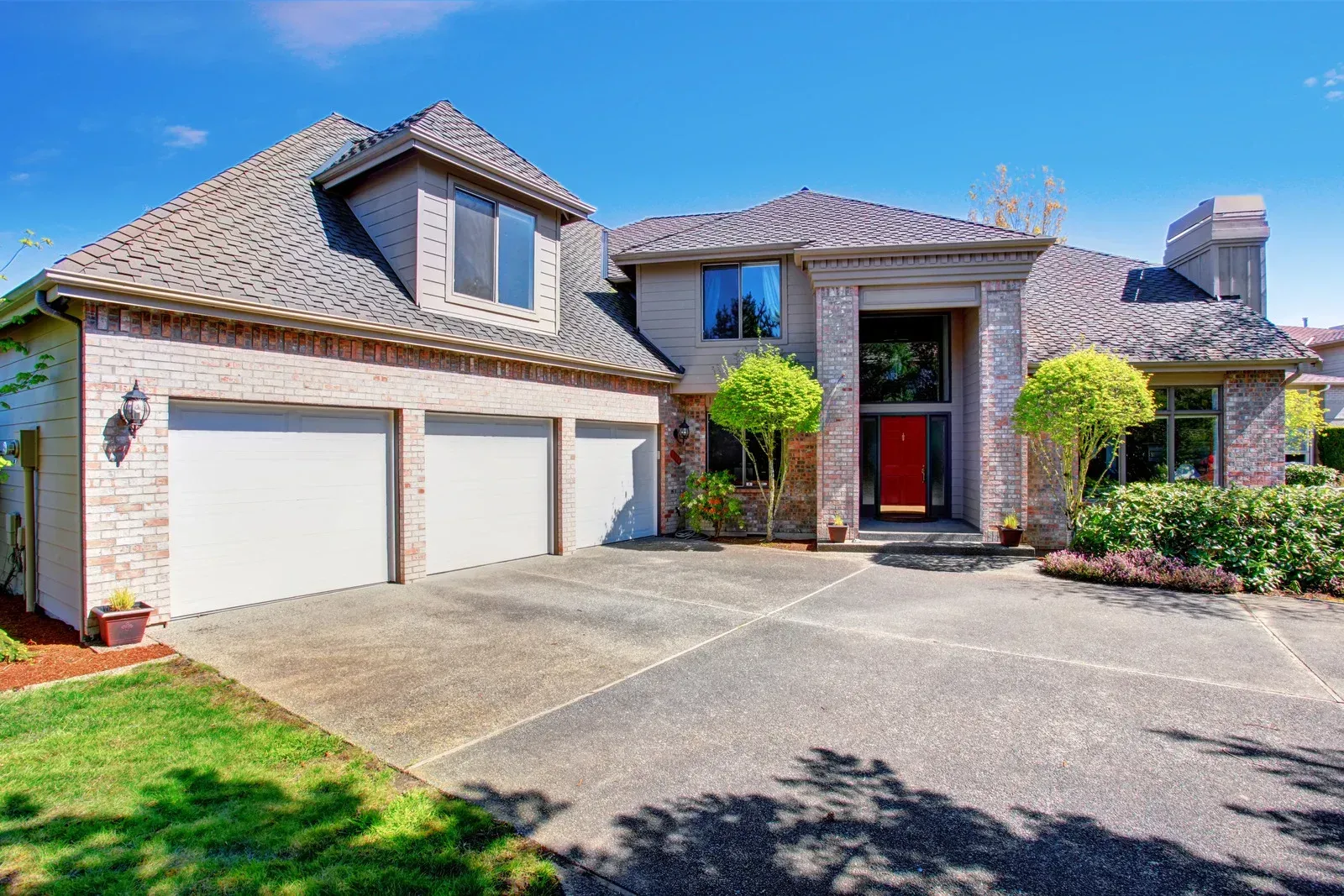
In a typical home, a driveway with a slight slope away from the garage and foundation prevents water from pooling near entryways. Patios designed with a gentle gradient, along with concrete swales, protect landscaping and prevent erosion while maintaining aesthetic appeal.
- Commercial Properties
Shopping centers, office parks, and industrial facilities often face significant water management challenges. Proper grading paired with concrete retention systems can prevent flooding in parking lots, maintain structural safety, and comply with municipal drainage regulations.
- Landscaping Integration
Well-graded landscapes can incorporate concrete edging, raised beds, and terraces to create visually appealing designs that also control water flow. This integration enhances both the beauty and durability of outdoor spaces.
- Flood-Prone Areas
Properties in flood-prone regions require specialized grading techniques, such as elevated concrete pads, reinforced swales, and stormwater redirection channels. These solutions minimize flood damage, safeguard property, and reduce insurance risks.
Challenges and Considerations
Site-Specific Constraints
Every property presents unique challenges, from irregular terrain to compacted or unstable soils. Expert assessment ensures that grading solutions are tailored, preventing mistakes that could exacerbate water issues.
Balancing Functionality and Aesthetics
While effective grading must prioritize drainage, it should also complement the property's design. Skilled contractors integrate concrete solutions in ways that maintain both practicality and visual appeal, ensuring that outdoor spaces remain inviting.
Cost Considerations
Concrete grading solutions require upfront investment, but they provide long-term savings by preventing water damage, reducing maintenance, and extending the lifespan of surfaces. Prioritizing quality materials and proper installation pays off over time.
Environmental Factors
Climate, rainfall intensity, and soil erosion tendencies must be factored into grading plans. Sustainable solutions, such as permeable concrete or rain gardens, can enhance drainage while supporting environmental stewardship.
Actionable Steps for Homeowners and Property Managers
- Engage Professionals Early
Consulting with experienced concrete and grading contractors ensures that solutions are designed correctly from the outset. Professional assessments reduce risks and provide peace of mind.
- Regular Inspections
Inspect grading slopes, swales, and concrete surfaces periodically, especially after storms. Addressing minor issues early prevents major repairs and protects property value.
- Educate on Maintenance Practices
Understanding proper maintenance—such as clearing debris from swales, resealing concrete, and monitoring soil erosion—empowers homeowners and property managers to sustain long-term drainage performance.
Professional Grading Services Offered by BNH Contracting Experts
At BNH Contracting, we specialize in providing durable, expertly designed concrete solutions that protect properties from water damage. With 6 years of hands-on experience as a trusted concrete contractor in Norwich, New York, we understand the intricacies of proper grading and drainage management. Our team combines technical expertise with meticulous attention to detail, ensuring that every slope, swale, and surface we create directs water safely away from foundations and critical structures.
We prioritize both functionality and aesthetics, integrating concrete solutions seamlessly into your property’s design. From residential driveways and patios to commercial parking lots and stormwater management systems, our approach addresses real-world water challenges with precision and durability. Using industry-leading techniques and materials, we ensure that your property remains safe, resilient, and visually appealing.
Choosing us means partnering with a team that values long-term performance and customer satisfaction above all else. We work closely with clients to assess unique property needs, develop customized grading strategies, and execute concrete installations with professional craftsmanship. By combining practical solutions with expert guidance, we help Norwich property owners prevent water damage, maintain structural integrity, and enhance their property’s value with confidence. Trust BNH Contracting to provide concrete expertise that safeguards your investment today and for years to come.